Google Play’s policies on real-money gambling shift from one market to the next, so depending on where you live the 1xBet app may sit in the store or be completely absent from it. When it is absent, the Android package file – the APK – becomes the route in, and that route comes with permission prompts that confuse a lot of people. This guide explains what those prompts actually mean, walks through the download and install in plain terms, and then spends most of its time on the errors that trip people up and the fixes that resolve them.
What the APK File Actually Is
An APK is simply the container Android uses to deliver an application – the equivalent of an installer on a desktop computer. When you install from a store, the store fetches this file silently in the background; when you install directly, you fetch it yourself and hand it to the system. The 1xBet APK contains the full mobile client: sportsbook, live betting, casino lobby, cashier and account area in one package. Nothing about the file format is exotic or risky by itself. What matters is where the file came from, because Android has no way to vouch for a package you sourced on your own. That is why the permission screen appears, and why the rest of this article keeps circling back to source checks.
Downloading and Installing Without the Jargon
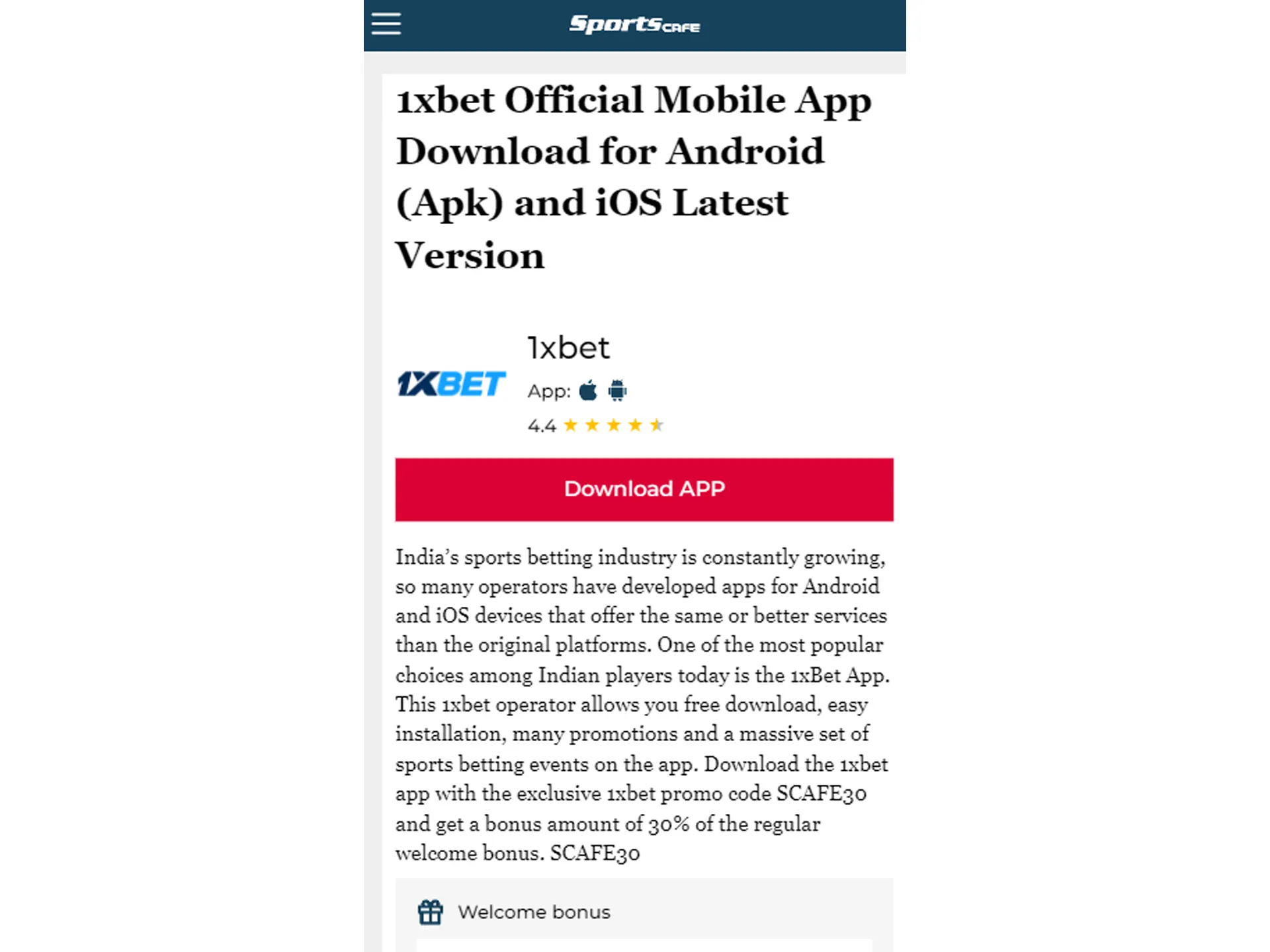
The sequence is short, but each step has a permission story behind it, so it pays to understand rather than tap blindly. People searching for the 1xbet casino app for android usually land on the operator’s own mobile page, which is the sensible starting point for the download.
- Open the operator’s mobile site in your browser and tap the Android download link to save the APK.
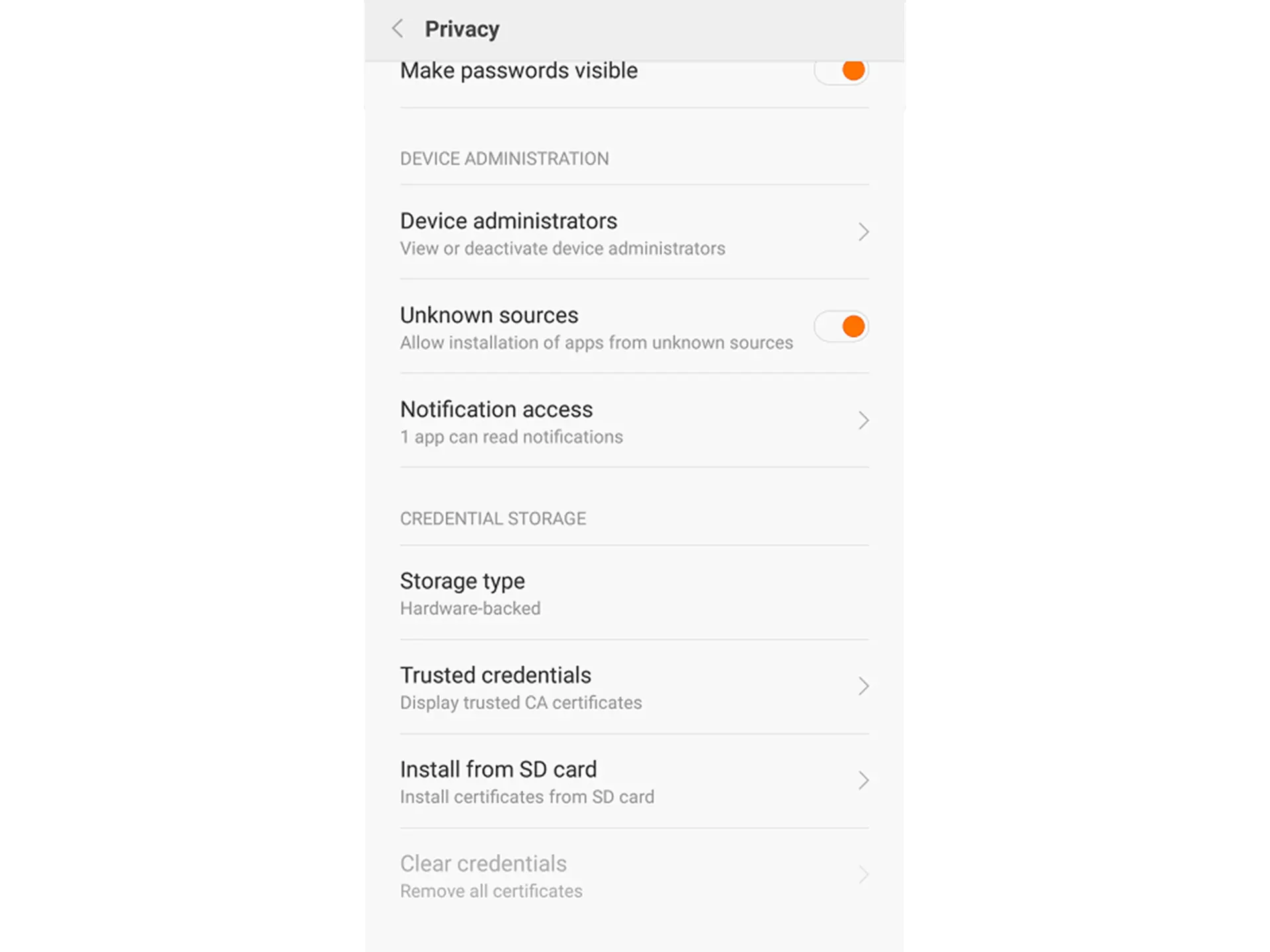
- When prompted, allow your browser (or file manager) to install unknown apps – Android grants this per source app, not globally.
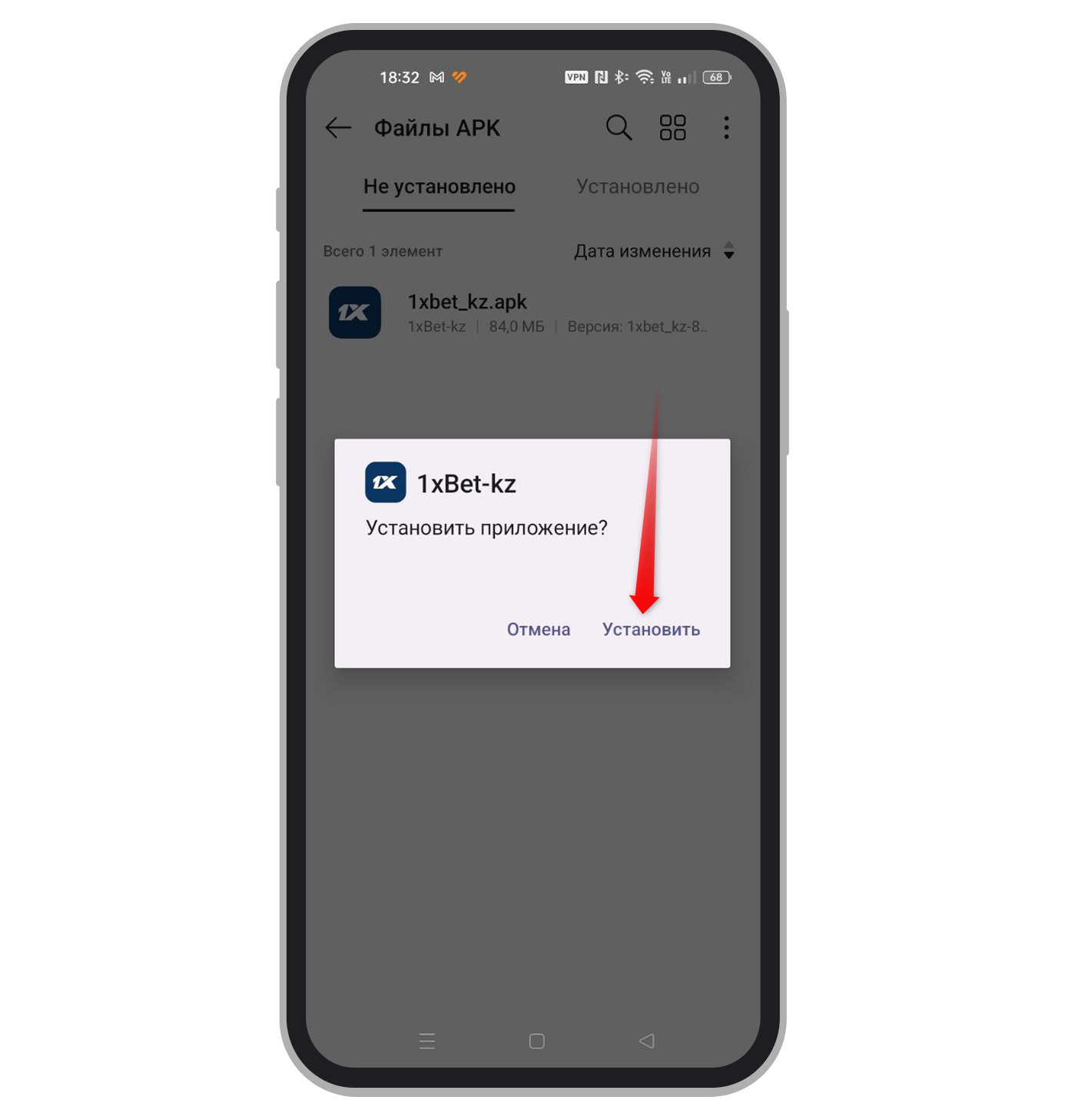
- Tap the downloaded file, review the install screen, and confirm.
- After installation, you can revoke the unknown-source permission again in settings; the already-installed app keeps working.
That per-source detail surprises people: you are not opening a permanent hole in your phone, you are temporarily trusting one app to perform one install. Revoking it afterwards is good hygiene and takes seconds.
Common Setup Problems and How to Solve Them
Most failed installs trace back to a handful of causes, and nearly all of them are fixable in a minute or two once you know what the message actually means.
- “Install blocked” or a greyed-out install button: the unknown-source permission was never granted to the app handling the file. Go to settings, find the special app access section, and allow installs for your browser or file manager specifically.
- “App not installed” with no explanation: usually a corrupted or incomplete download. Delete the file, check your connection, and download it again from scratch.
- Parsing errors: the file is damaged or your Android version is older than the app expects. Re-download first; if it persists, check the app’s stated system requirements.
- Update refuses to install over the old version: the new package was signed with a different certificate than the one on your phone. Android treats that as a red flag and blocks it. The typical fix is to uninstall the old copy first – but note that uninstalling can wipe locally stored app data, so make sure you know your login details before you do.
- Not enough storage: clear space and retry; the installer needs room beyond the file’s own size to unpack.
Two honest cautions belong here. First, only ever uninstall and reinstall when you are confident the new file comes from the same legitimate source as before – certificate mismatches are exactly how tampered packages get caught. Second, interface labels and menu paths vary by Android version and app release, so treat any tap-by-tap instructions as a map, not gospel.
Keeping the App Updated
Because a directly installed APK has no store watching over it, updates arrive through the app itself or through a fresh download from the same source you used originally. The app will typically flag a new version on launch, and installing it works like the first install – tap, confirm, done. A few habits make this painless:
- Update promptly when prompted, since old versions can lose access to features or markets.
- Always fetch updates from the same source as your original download.
- If an update fails with a signature error, do not hunt for a random mirror – go back to the source you trust.
- Keep your account credentials handy in case a reinstall ever becomes necessary.
What You Get Once It Is Running
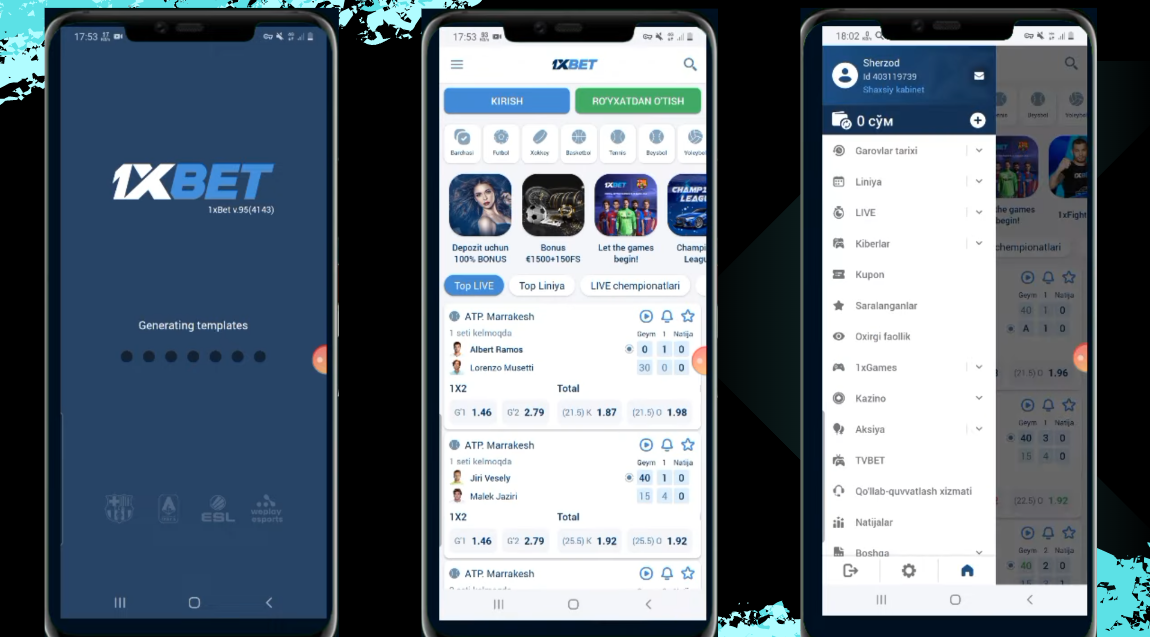
The installed client mirrors the desktop product fairly closely, though the exact layout shifts between releases and regions. In practice you can expect:
- Pre-match sports betting across a wide range of sports and leagues, with accumulators and singles.
- In-play wagering with real-time odds, plus live streams or game trackers when offered.
- There is a casino area featuring slot machines, classic table options, and real-time dealer tables.
- A cashier for deposits and withdrawals, with the payment methods shown depending on your region.
- Account tools: registration, verification documents, bet history, limits and support access.
Whatever the feature list, stake only what you can comfortably afford to lose, and use the limit tools if you need them.
Checking the Source and Falling Back to the Mobile Site
Before any install, spend thirty seconds on the file itself. Confirm you arrived at the download page by typing the address or following a bookmark rather than a link in a message, and check that the connection is secured. After downloading, the install screen shows the app’s digital signature; consistency of that signature across updates is enforced through code signing, which is precisely why Android refuses to mix packages from different signers. If anything about the page or the file feels off, stop – there is no prize for installing quickly.
| Signal | Reassuring | Warning sign |
|---|---|---|
| Download page | Reached directly, secured connection | Arrived via unsolicited link |
| Update signature | Matches installed copy | Certificate mismatch error |
| Permission request | Install-only, from your browser | App demands unrelated access |

And if installation simply will not cooperate, remember the mobile website needs no APK, no permissions and no updates – it runs in any modern browser and covers the same core betting and account functions. For many people it is a perfectly good permanent option, not just a fallback.

FAQ
Why does Android warn me before installing the 1xBet APK?
Because you are installing outside a store, Android asks you to confirm that you trust the source. It is a standard checkpoint, not a judgement on this particular file.
Is the unknown-sources permission permanent?
No. It is granted per app – your browser or file manager – and you can switch it off again in settings straight after installing.
What causes a certificate error when updating?
The new file was signed differently from the installed copy. Only proceed if you are sure both came from the same legitimate source; otherwise delete the file.
Will reinstalling the app delete my account?
Your account lives on the operator’s servers, but local app data can be removed on uninstall, so have your login details ready.
Do I need the APK at all?
Not strictly – the mobile website offers the same essential betting and account features with no installation involved.


